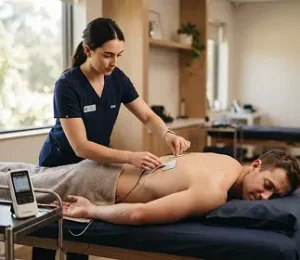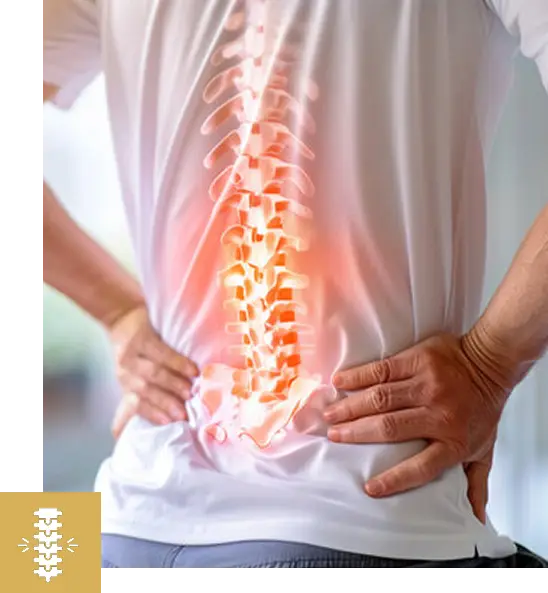
SAY GOODBYE TO Post-Surgery Rehabilitation

From post-surgery pain relief to restored strength and mobility, our certified specialists provide evidence-based rehabilitation programmes to reduce swelling, improve joint function, and support a safe, complete recovery.

Common Causes

What drives Post-Surgery Rehabilitation

Yes, post-surgical physiotherapy is crucial for a safe, full recovery. Following orthopedic procedures (such as ACL reconstruction, meniscus repair, joint replacement, or spine surgery), structured physiotherapy reduces post-op swelling, prevents joint stiffness, breaks down scar tissue, and safely restores strength and independence.

Surgical Trauma & Tissue Healing

Joint Immobilization

Inhibited Muscle Activation

Symptoms

What does post-surgery rehabilitation feel like?

Following orthopedic surgery, patients commonly face physical limitations such as:

Post-Operative Pain & Swelling

Persistent swelling, tightness, and surgical site pain during movement.

Severe Joint Stiffness & Loss of Mobility

Inability to bend or straighten the operated joint fully due to surgical trauma and immobilization.

Muscle Weakness & Atrophy

Rapid loss of muscle volume and strength in surrounding limbs from rest.

Impaired Gait & Balance

Difficulty walking, negotiating stairs, or standing without crutches, walkers, or compensatory limping.
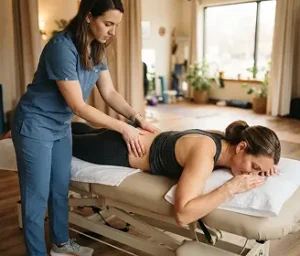
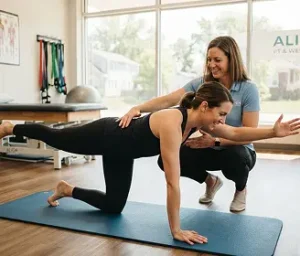
Symptoms

When to see a physiotherapist?

You should schedule an assessment with a physiotherapist if:

You need guidance on safely moving without damaging your surgical repair.

You experience severe stiffness that makes basic mobility or daily self-care difficult.

You want a surgeon-aligned protocol to ensure long-term surgical success.

Important medical warning

WHEN TO SEE A DOCTOR IMMEDIATELY

Assessment

How we assess Post-Surgical Patients at Plan B

At Plan B Physio, our structured clinical assessment process includes:

Surgical Protocol Review

Examining your surgeon’s specific weight-bearing restrictions, precautions, and range goals.

Surgical Site & Scar Inspection

Evaluating surgical wound healing, localized swelling, and scar tissue mobility.

Passive & Active Range of Motion

Safely measuring joint angles within surgeon-approved limits.

Functional & Muscle Activation Testing

Assessing muscle reactivation, balance, and gait patterns.

Treatment

How we treat Post-Surgical Patients

Our post-surgical rehabilitation approach includes:

Passive & Active Range of Motion Recovery

Safe, guided joint mobilizations to regain flexibility without stressing surgical repairs.

Scar Tissue Mobilization & Desensitization

Breaking down restrictive scar tissue to restore smooth tissue gliding.

Targeted Neuromuscular Re-education

Using specific exercises to turn "sleeping" muscles back on safely.

Gait & Balance Retraining

Transitioning safely from crutches/walkers to independent walking.

REALISTIC RECOVERY TIMELINES

What to expect

Post-surgery timelines strictly adhere to biological tissue healing phases:

Phase 01

Early Post-Op (Weeks 1 to 4)

EXPECTED DURATION

Typical sessions

2-3
sessions per week

Manage swelling/pain, regain basic joint range, and learn safe crutch/walking habits.

Phase 02

Mid-Stage Strength & Function (Weeks 4 to 12)

EXPECTED DURATION

Typical sessions

6-12
sessions per week

Rebuild muscle strength, restore full daily mobility, and walk independently.

Phase 03

Advanced Return-to-Activity (Months 3 to 6+)

EXPECTED DURATION

Typical sessions

1
session

Est. duration

1-2
weeks

Sport-specific conditioning, advanced balance, and long-term joint protection.

Our team

Who treat this

Recovery varies based on severity, age, and activity level. While we never guarantee exact timelines, typical recovery phases include:

Alex Cheah

Director & Senior Physiotherapist
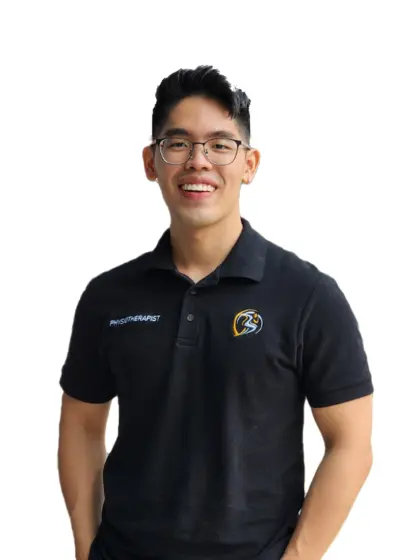
Bryan Chiam

Branch Manager & Senior Physiotherapist
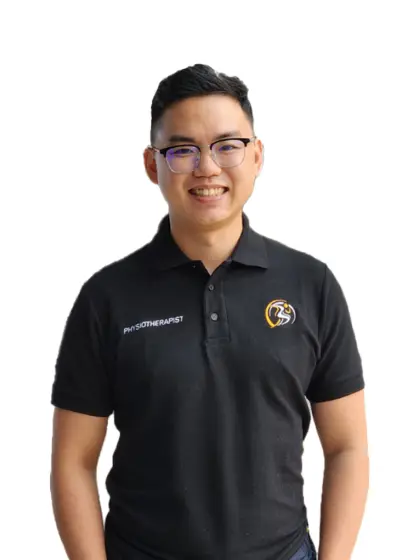
Darren Lim

Senior Physiotherapist
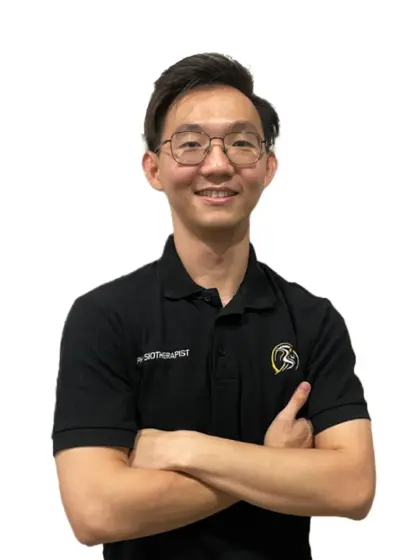
Ee Hang

Senior Physiotherapist

Daphne Shu

Branch Manager & Senior Physiotherapist

Hannah Tan

Branch Manager & Senior Physiotherapist

Shavonne Choi

Senior Physiotherapist

Cecilia Hoon

Physiotherapist

Yap Shi Qi

Regional Director / District Manager

Ng Wei Shan

Senior Physiotherapist

Daphne Low

Senior Physiotherapist

Ju Kah Yi

Senior Physiotherapist
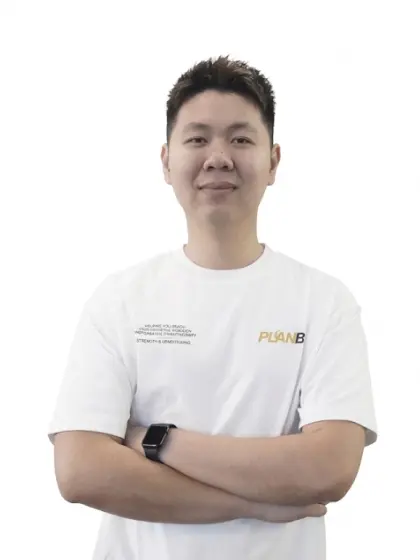
Chang Han Shen

Branch Manager & Senior Physiotherapist

Shee Zhe Pin

Head Coach
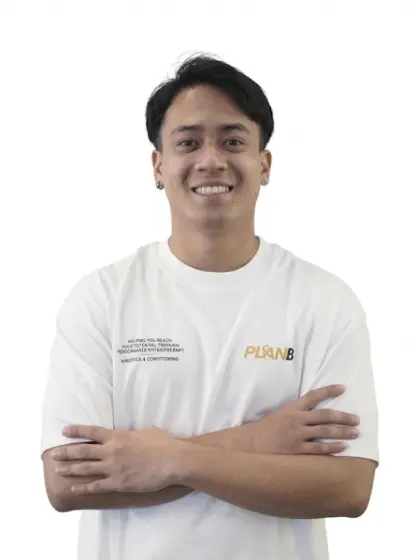
Medhavinz Seew Ravindran

Trainer

Our branches

Where to get treated

Receive specialized lower back pain care at any of our accessible Plan B branches:

First trial session

RM 220

one-time session

Pricing &
First Trial

Ensure a safe post-surgical recovery with our specialized initial assessment.

What's included

View our complete pricing and package options here:

QUESTIONS, Answered.

Still not sure? Our team is happy to answer any questions before you book.

When should I start physiotherapy after surgery?

Most orthopedic surgeries require early rehabilitation within 3 to 7 days post-op to prevent severe joint stiffness, subject to surgeon approval.

No. Our therapists follow strict, surgeon-approved protocols and safety guidelines to protect your repair while helping you move safely.

Yes! Please bring your operation report, surgeon’s protocol guidelines, and any post-op X-rays/scans to your first visit.

Elevating your limb and applying cold packs for 15–20 minutes after exercise helps control post-rehab swelling.

Wear loose, easily removable clothing or shorts that allow clear access to your surgical incision and joint.

Ready to
live pain-free

Safeguard your surgical recovery today. Click below to chat with our team on WhatsApp for free advice or to book your trial session.