SAY GOODBYE TO Scoliosis

From postural correction to improved spinal mobility, our certified specialists provide evidence-based physiotherapy treatments to manage spinal curvature, reduce muscle discomfort, and improve overall movement.

Common Causes

What drives Scoliosis

Yes, specialized physiotherapy is an essential, non-surgical approach for managing scoliosis. By utilizing targeted scoliosis-specific exercises (such as 3D posture correction and Schroth-based principles), physiotherapy helps slow curve progression, rebalance postural asymmetry, and relieve chronic spinal pain.

Idiopathic Scoliosis

Degenerative Adult Scoliosi

Functional / Postural Scoliosis

Symptoms

What does Scoliosis
feel like?

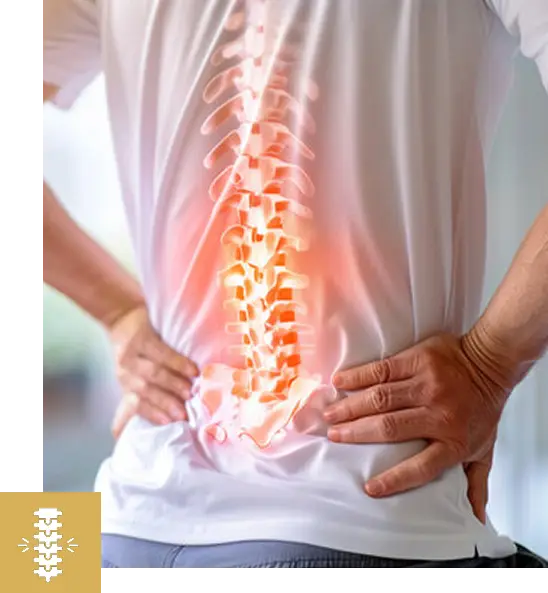
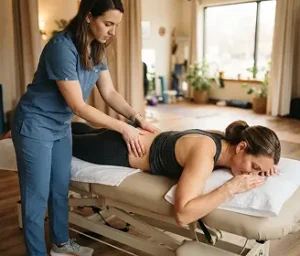
Scoliosis involves an abnormal side-to-side curvature of the spine (usually C-shaped or S-shaped), causing:

Visible Postural Asymmetry

Uneven shoulders, one prominent shoulder blade, uneven waistline, or high-and-low hips.

Muscular Fatigue & Soreness

A constant ache on one side of the back due to overworked muscles trying to support the curved spine.

Clothing Misalignment

Clothes, waistbands, or necklines hanging unevenly across the body.

Restricted Spinal Mobility & Breathing Strain

Difficulty twisting or bending evenly to both sides, with severe curves occasionally restricting rib cage expansion.
Symptoms

When to see a physiotherapist?

You should schedule an assessment with a physiotherapist if:

You or your child notice postural asymmetries like uneven shoulders or hips.

You experience recurring back fatigue or pain after standing or sitting for short periods.

You want a structured exercise program to manage a diagnosed spinal curve without surgery.

Important medical warning

WHEN TO SEE A DOCTOR IMMEDIATELY

Assessment

How we assess scoliosis
at Plan B

Our clinical assessment for spinal curvature includes:

Visual Postural Screening & Scoliometer Measurement

Checking spinal rotation and trunk asymmetry.

Adam’s Forward Bend Test

Identifying rib humps or lumbar asymmetry during forward flexion.

Spinal Flexibility & Core Balance Testing

Evaluating muscle tightness on the concave side and weakness on the convex side of the curve.

Radiograph / X-Ray Review (Cobb Angle)

Analyzing existing medical imaging to map out specific curve patterns.

Treatment

How we treat lower back pain

Depending on your clinical findings, your treatment plan may include:

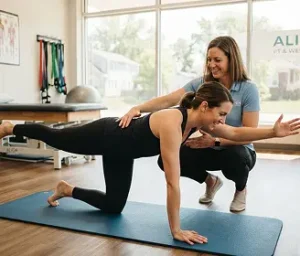
Specific Postural Correction Exercises

3D correctional exercises designed to lengthen tight concavities and strengthen weak convexities.

Core Anti-Rotation & Stability Training

Strengthening deep spinal stabilizers to maintain upright alignment.

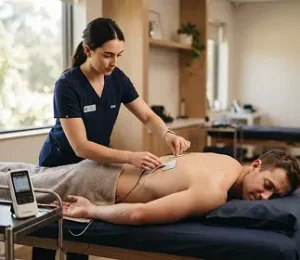
Myofascial & Manual Therapy

Releasing tight muscles and joint restrictions along overworked side-curves.

Breathing Retraining (Rotational Breathing)

Expanding collapsed areas of the rib cage to improve lung expansion and posture.

REALISTIC RECOVERY TIMELINES

What to expect

Scoliosis treatment focuses on long-term management, pain reduction, and curve stabilization:

Phase 01

Adolescent / Early Curve Management

EXPECTED DURATION

Typical sessions

10-16
sessions

Est. duration

3-6
months

Prevent curve progression during growth spurts and improve body symmetry.

Phase 02

Adult Symptomatic Scoliosis (Pain Focused)

EXPECTED DURATION

Typical sessions

8-12
sessions

Est. duration

2-3
months

Relieve muscle strain, improve daily posture endurance, and stop recurring aches.

Phase 03

Complex / High-Angle Management

EXPECTED DURATION

Expected duration

Long-term maintenance programs tailored to physical demands.

Pain management, functional core support, and avoiding surgical intervention.

Our team

Who treat this

Recovery varies based on severity, age, and activity level. While we never guarantee exact timelines, typical recovery phases include:

Alex Cheah

Director & Senior Physiotherapist
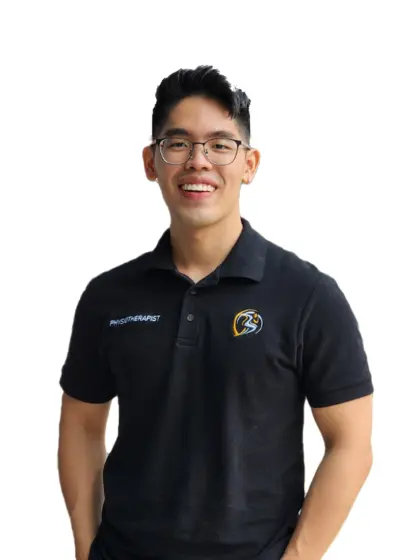
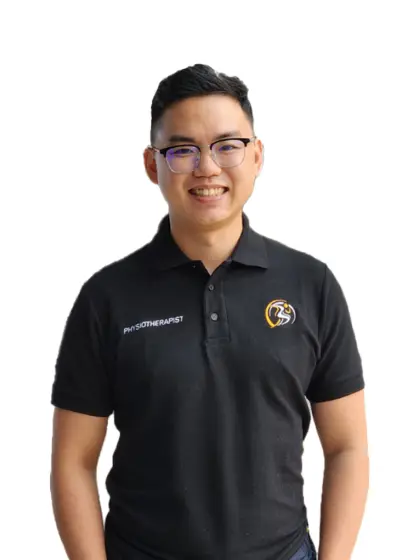
Bryan Chiam

Branch Manager & Senior Physiotherapist
Darren Lim

Senior Physiotherapist
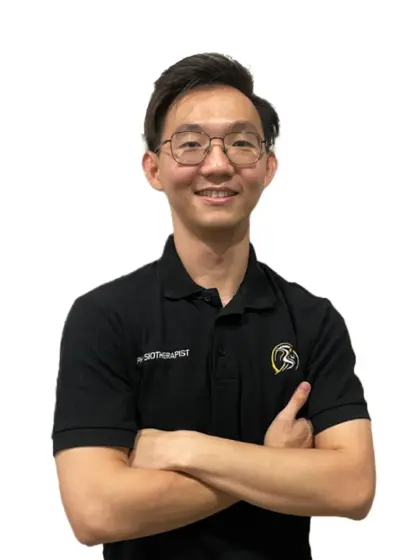
Ee Hang

Senior Physiotherapist
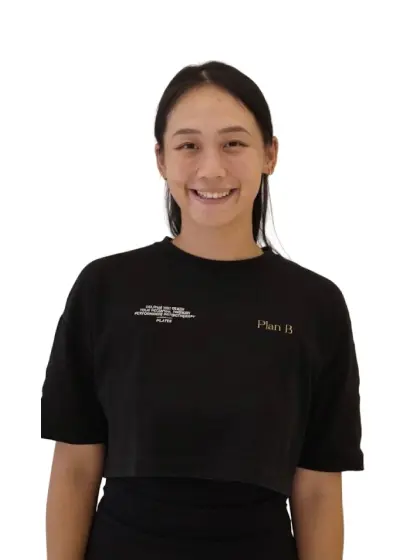
Vivian Lee

Physiotherapist
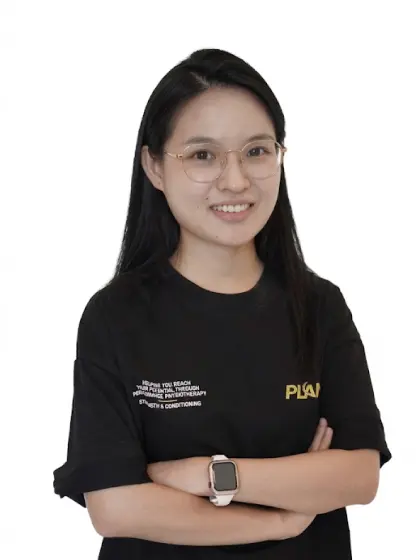
Yap Shi Qi

Regional Director / District Manager
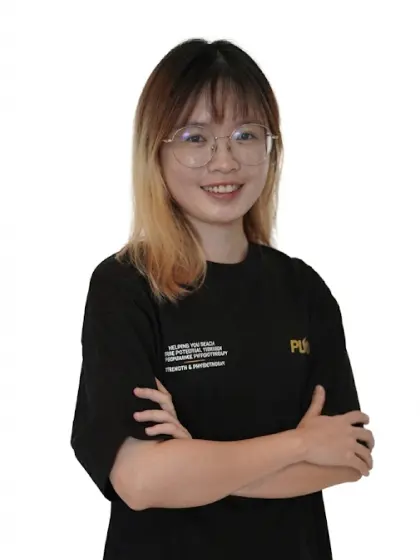
Ng Wei Shan

Senior Physiotherapist
Daphne Low

Senior Physiotherapist
Ju Kah Yi

Senior Physiotherapist
Chang Han Shen

Branch Manager & Senior Physiotherapist
Shee Zhe Pin

Head Coach
Medhavinz Seew Ravindran

Trainer

Our branches

Where to get treated

Receive specialized lower back pain care at any of our accessible Plan B branches:

First trial session

RM 220

one-time session

Pricing &
First Trial

Start your spinal health journey with our specialized postural assessment.

What's included

View our complete pricing and package options here:

QUESTIONS, Answered.

Still not sure? Our team is happy to answer any questions before you book.

Can physiotherapy completely straighten a scoliosis curve?

In structural scoliosis, treatment aims to stabilize the curve, improve posture symmetry, and eliminate pain rather than fully “straightening” bones. Functional curves, however, can often be significantly corrected.

Yes! Staying active is essential. However, symmetrical core exercises and targeted scoliosis movements are far safer than heavy asymmetrical lifting.

If you have recent X-rays, please bring them so we can assess your exact Cobb angle. If not, we can conduct a physical scoliometer assessment first.

Screening is recommended for children aged 10 to 14, as early detection during growth spurts yields the best conservative outcomes.

Wear a form-fitting tank top, sports bra, or shorts so our physiotherapists can accurately observe your spinal alignment.

Ready to
live pain-free

Take control of your posture and spine health. Click below to chat with our team on WhatsApp for free advice or to book your trial session.