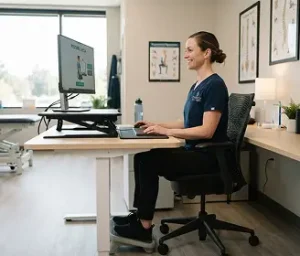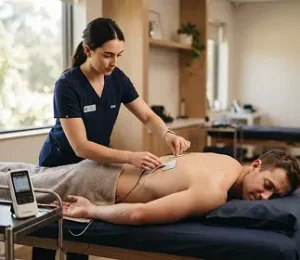
From nerve pain relief to improved spinal mobility, our certified specialists provide evidence-based physiotherapy treatments to relieve pressure on your spine, restore movement, and support long-term recovery.
What drives a Slipped disc
Yes, physiotherapy is a primary non-surgical treatment for a slipped disc (herniated disc). Targeted mechanical traction, neural mobilization, and core stabilization help reduce spinal compression, relieve nerve pain, and promote natural disc healing.
Nerve Pain Relief
Spinal Mobility
Long-term recovery
Symptoms
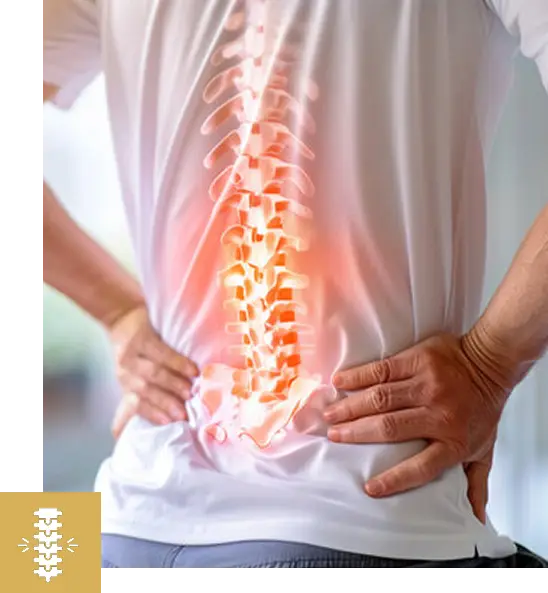
What does a slipped disc feel like?
Depending on which disc is herniated, symptoms may vary from localized back pain to sharp nerve discomfort:

Sharp, Stabbing Pain
Sudden, severe pain during bending, coughing, or sneezing.

Radiating Nerve Pain
Pain shooting down into the buttocks, thigh, calf, or arm.

Numbness & Tingling
"Pins and needles" sensation in the legs, feet, or fingers.

Muscle Weakness
Difficulty lifting your foot (foot drop) or reduced grip strength due to nerve compression.
Symptoms
When to see a physiotherapist?
You should schedule an assessment with a physiotherapist if:
You feel sharp, radiating pain going down your arm or leg when moving.
Sitting or bending forward causes severe, shooting pain in your lower back or neck.
You experience numbness or weakness in your limbs that makes walking or holding objects tricky.
Important medical warning
WHEN TO SEE A DOCTOR IMMEDIATELY
How we assess a Slipped Disc at Plan B
Our specialized assessment for disc herniation includes:
Checking deep tendon reflexes, skin sensation, and muscle strength to identify affected nerve roots.
Assessing standing alignment, spinal curvature, and movement compensationTesting specific movements (like extension) to see if pain centralizes back to the spine.s.
Performing Straight Leg Raise or Slump tests to measure nerve irritation.
Evaluating daily sitting, standing, and lifting mechanics.
How we treat a slipped disc
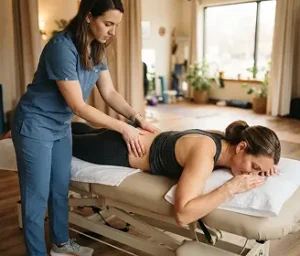
Our targeted, non-invasive rehabilitation for slipped discs includes:
Spinal Decompression & Traction
Gentle stretching to relieve spinal pressure and reduce nerve compression.
Neural Mobilization
Gentle techniques to improve nerve movement and reduce irritation.
McKenzie Method & Exercise Therapy
Targeted exercises to improve spinal movement and manage disc-related pain.
Core Stabilization Training
Strengthening deep core muscles to support spinal stability and reduce strain.
What to expect
Disc healing requires patience, consistent treatment, and proper movement habits:
Phase 01
Acute Disc Bulge (Early stage)
EXPECTED DURATION
6-10
sessions
4-6
weeks
Centralize nerve pain back to the spine, reduce acute inflammation, and regain daily mobility.
Phase 02
Moderate Herniation with Nerve Symptoms
EXPECTED DURATION
10-16
sessions
2-4
months
Full nerve decompression, core rebuilding, and return to pain-free work.
Phase 03
Severe / Long-Standing Herniation
EXPECTED DURATION
16+
sessions
4-6
months
Non-surgical management, long-term spinal stability, and preventing re-herniation.
Who treat this
Recovery varies based on severity, age, and activity level. While we never guarantee exact timelines, typical recovery phases include:

Alex Cheah
Director & Senior Physiotherapist

Bryan Chiam
Branch Manager & Senior Physiotherapist
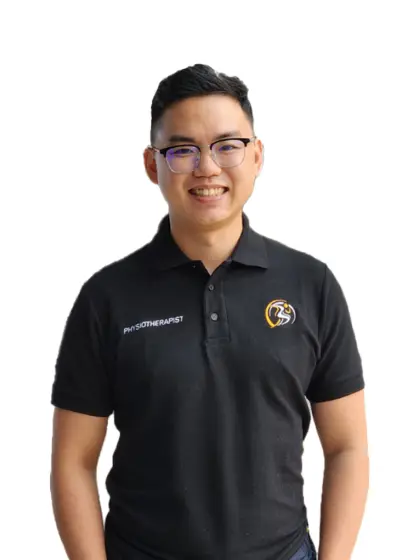
Darren Lim
Senior Physiotherapist
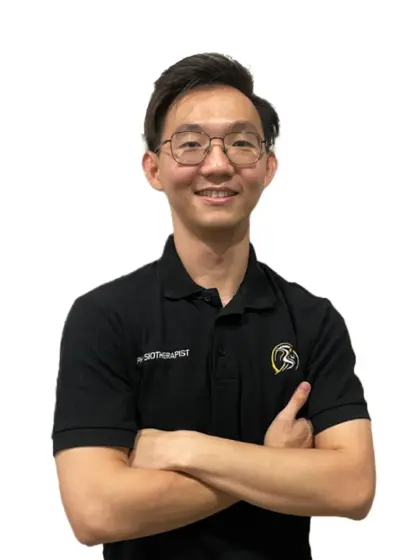
Ee Hang
Senior Physiotherapist

Daphne Shu
Branch Manager & Senior Physiotherapist

Hannah Tan
Branch Manager & Senior Physiotherapist

Shavonne Choi
Senior Physiotherapist

Cecilia Hoon
Physiotherapist

Yap Shi Qi
Regional Director / District Manager

Ng Wei Shan
Senior Physiotherapist

Daphne Low
Senior Physiotherapist

Ju Kah Yi
Senior Physiotherapist
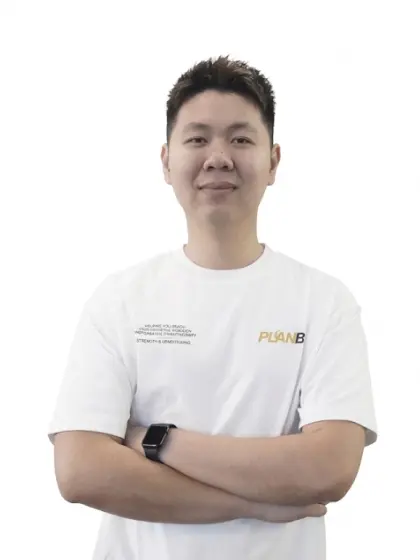
Chang Han Shen
Branch Manager & Senior Physiotherapist

Shee Zhe Pin
Head Coach

Medhavinz Seew Ravindran
Trainer
Where to get treated
Receive specialized lower back pain care at any of our accessible Plan B branches:
Plan B Midtown (HQ)
Plan B Uptown Pilates
Plan B Sutera
Plan B SK Arena
Plan B Bukit Jalil
First trial session
RM 220
one-time session
Pricing &
First Trial
Start your non-surgical recovery journey with our clinical assessment and trial treatment.
What's included
View our complete pricing and package options here:
QUESTIONS, Answered.
Still not sure? Our team is happy to answer any questions before you book.
Yes! The vast majority of slipped disc cases (over 80-90%) recover successfully with non-surgical conservative care like physiotherapy.
If you already have an MRI scan, please bring it along! If not, our clinical nerve assessment can effectively locate the problem without immediate imaging.
Ice is best during the first 48–72 hours of sharp, acute nerve pain to reduce inflammation. Heat helps later on to soothe muscle tightness around the spine.
Coughing or sneezing increases intra-abdominal pressure, which momentarily puts extra compression on your herniated disc and pinches the nerve.
Wear comfortable, stretchy sportswear that allows clear movement testing and easy access to your spine.
Ready to
live pain-free
Don't let nerve pain dictate your life. Click below to chat directly with our team on WhatsApp for free advice or to book your first trial session.
Select your Branch