From muscle strength recovery to improved balance and coordination, our certified specialists provide evidence-based neurological physiotherapy to restore movement, improve mobility, and support greater independence in daily activities.
What drives Stroke rehabilitation
Yes, neurological physiotherapy is a cornerstone of stroke rehabilitation. Utilizing principles of neuroplasticity (the brain’s ability to rewire itself), specialized physiotherapy helps stroke survivors regain movement control, rebuild limb strength, recover balance, and maximize independence in daily life.
Ischemic Stroke
Hemorrhagic Stroke
Disrupted Neuromuscular Signals
Symptoms
Post-Stroke Physical Challenges
Following a stroke, neurological damage can result in physical impairments such as:

One-Sided Weakness or Paralysis (Hemiparesis/Hemiplegia)
Difficulty moving or complete loss of power on one side of the body.

Muscle Spasticity & Stiffness
Abnormal muscle tightness, involuntary clenching, or rigid joint positions (e.g., fisted hand or bent elbow).

Impaired Balance & Coordination
Feeling unsteady while sitting or standing, with a high risk of falls.

Gait Abnormalities
Difficulty walking, foot dragging (foot drop), or needing support to step forward.
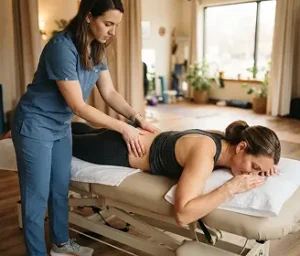
Symptoms
When to see a physiotherapist?
Neurological rehabilitation should begin as soon as medical stability is achieved:
You or your loved one want to regain motor control in affected limbs after hospital discharge.
Spasticity, stiffness, or muscle weakness limits daily activities like standing, dressing, or walking.
You need structured, safe mobility retraining to reduce fall risks at home.
Important medical warning
WHEN TO SEE A DOCTOR IMMEDIATELY
How we assess Stroke Rehabilitation at Plan B
Our comprehensive neurological evaluation includes:
Evaluating movement quality, voluntary muscle control, and coordination in affected limbs.
Assessing stiffness and joint flexibility using clinical scales (e.g., Modified Ashworth Scale).
Testing equilibrium, core stability, and fall risk levels.
Observing transfers (bed-to-chair), standing, and stepping mechanics.
How we treat stroke patients
Our neuro-rehabilitation framework includes:
Neuromuscular Re-education
Utilizing high-repetition, task-specific training to stimulate neuroplastic brain rewiring.
Spasticity Management & Mobilization
Prolonged stretching, positioning, and manual therapy to ease tight, spastic muscles.
Balance & Gait Re-training
Progressive weight-bearing, harness/parallel bar assistance, and stepping drills to restore safe walking.
Functional ADL Training
Practicing real-world movements like standing up, turning, and reaching for objects independently.
What to expect
Recovery varies based on severity, age, and activity level. While we never guarantee exact timelines, typical recovery phases include:
Phase 01
Early Recovery Phase (First 1 to 6 Months)
EXPECTED DURATION
2-3 sessions per week
Capitalize on peak neuroplasticity to restore active limb movement, sitting balance, and standing safety.
Phase 02
Sub-Acute to Chronic Phase (6+ Months)
EXPECTED DURATION
1-2 sessions per week
Refine walking gait, manage spasticity, reduce fall risks, and boost independent living.
Phase 03
Long-Term Maintenance & Caregiver Support
EXPECTED DURATION
Periodic check-ins and structured home programs.
Prevent joint contractures, maintain endurance, and train family caregivers in safe transfer techniques.
Who treat this
Recovery varies based on severity, age, and activity level. While we never guarantee exact timelines, typical recovery phases include:

Brenda
Senior Physiotherapist

Daphne Shu
Branch Manager & Senior Physiotherapist
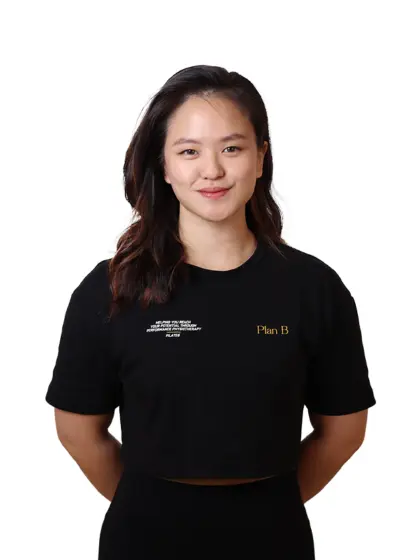
Hannah Tan
Branch Manager & Senior Physiotherapist

Shavonne Choi
Senior Physiotherapist

Cecilia Hoon
Physiotherapist
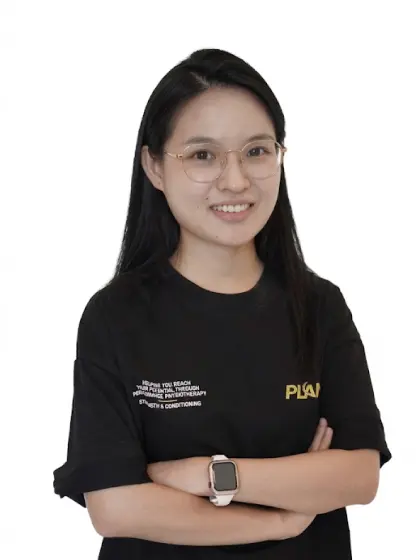
Yap Shi Qi
Regional Director / District Manager
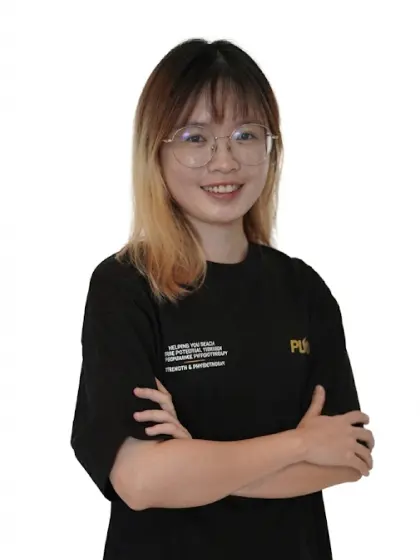
Ng Wei Shan
Senior Physiotherapist

Daphne Low
Senior Physiotherapist

Ju Kah Yi
Senior Physiotherapist
Chang Han Shen
Branch Manager & Senior Physiotherapist
Shee Zhe Pin
Head Coach
Medhavinz Seew Ravindran
Trainer
Where to get treated
Receive specialized lower back pain care at any of our accessible Plan B branches:
Plan B Midtown (HQ)
Plan B Uptown Pilates
Plan B Sutera
Plan B SK Arena
Plan B Bukit Jalil
First trial session
RM 220
one-time session
Pricing &
First Trial
Begin your stroke recovery journey with an in-depth neurological assessment.
What's included
View our complete pricing and package options here:
QUESTIONS, Answered.
Still not sure? Our team is happy to answer any questions before you book.
Yes! While the fastest neuroplastic gains occur in the first few months, the brain retains the ability to adapt and rewire even years after a stroke with task-specific practice.
Absolutely. We encourage family members and caregivers to join so we can teach safe transfer and home exercise techniques.
The primary goal is restoring maximum movement independence, safety, and quality of life so patients can handle daily tasks with minimal assistance.
Through sustained stretching, joint positioning, weight-bearing exercises, and specialized hands-on techniques that calm hyperactive nerve signals.
Patients should wear loose, comfortable clothing and supportive, anti-slip footwear or athletic shoes suitable for standing practice.
Ready to
live pain-free
Empower your post-stroke recovery journey today. Click below to chat directly with our team on WhatsApp for free advice or to book your assessment.
Select your Branch