SAY GOODBYE TO neck & shoulder pain

From muscle tension relief to improved neck mobility, our certified specialists provide evidence-based physiotherapy treatments to release muscle tightness, restore movement, and prevent recurring discomfort.

Common Causes

What drives Neck & Shoulder pain

Yes, physiotherapy is highly effective for relieving neck and shoulder pain. Through hands-on manual therapy, targeted soft tissue release, postural retraining, and ergonomic adjustments, physiotherapy releases chronic muscle tightness, restores cervical joint mobility, and prevents recurring tension headaches.

Ergonomic Stress

Stress & Muscle Tension

Cervical Joint Strain

Symptoms

What does neck & shoulder pain feel like?

Neck and shoulder pain is usually caused by repetitive daily strain and posture issues:

Stiffness & Reduced Mobility

Difficulty turning your head side-to-side or tilting down, especially after prolonged computer or mobile phone use.

Aching & Tightness

Persistent heaviness and knots around the upper trapezius, shoulder blades, and base of the skull.

Tension Headaches

Pain radiating from the back of the neck up to the temples, forehead, or behind the eyes.

Radiating Discomfort

Tingling or dull soreness spreading down into the shoulders or upper arms.
Symptoms

When to see a physiotherapist?

You should schedule an assessment with a physiotherapist if:

Your neck stiffness makes driving, turning your head, or working at your desk uncomfortable.

Tension headaches occur multiple times a week due to neck tightness.

Resting or basic neck stretches no longer provide lasting relief.

Important medical warning

WHEN TO SEE A DOCTOR IMMEDIATELY

Assessment

How we assess neck & shoulder pain
at Plan B

Our structured clinical evaluation includes:

Postural & Workstation Assessment

Identifying forward head posture, rounded shoulders, and thoracic mobility.

Cervical & Scapular Range of Motion

Measuring neck rotation, side bending, and shoulder blade mechanics.

Palpation & Myofascial Trigger Point Testing

Locating localized muscle knots, muscle spasms, and joint stiffness.

Neurological Screening

Checking nerve conduction and sensation down the arms and hands.

Treatment

How we treat lower back pain

Depending on your clinical findings, your treatment plan may include:

Manual Therapy & Joint Mobilization

Gentle cervical spine mobilization to restore joint glide and reduce stiffness.

Myofascial Release & Trigger Point Therapy

Releasing deep tension in tight trapezius, levator scapulae, and suboccipital muscles.

Scapular & Deep Cervical Retraining

Strengthening weak upper back and deep neck flexors to support your posture.

Ergonomic Guidance

Tailored advice on desk setups, sleeping positions, and daily movement breaks.

REALISTIC RECOVERY TIMELINES

What to expect

Recovery speed depends on how long the postural habits or pain have been present:

Phase 01

Mild / Acute Strain (Tech Neck)

EXPECTED DURATION

Typical sessions

3-5
sessions

Est. duration

2-3
weeks

Relieve acute stiffness, eliminate muscle knots, and restore normal head movement.

Phase 02

Moderate / Chronic Postural Pain

EXPECTED DURATION

Typical sessions

6-10
sessions

Est. duration

1-2
months

Re-balance upper body posture, strengthen postural muscles, and curb tension headaches.

Phase 03

Severe / Structural & Nerve Strain

EXPECTED DURATION

Typical sessions

10+
sessions

Est. duration

3+
months

Long-term cervical stability, nerve pressure release, and habit correction.

Our team

Who treat this

Recovery varies based on severity, age, and activity level. While we never guarantee exact timelines, typical recovery phases include:

Brenda

Senior Physiotherapist

Daphne Shu

Branch Manager & Senior Physiotherapist

Hannah Tan

Branch Manager & Senior Physiotherapist

Shavonne Choi

Senior Physiotherapist

Cecilia Hoon

Physiotherapist

Yap Shi Qi

Regional Director / District Manager

Ng Wei Shan

Senior Physiotherapist

Daphne Low

Senior Physiotherapist

Ju Kah Yi

Senior Physiotherapist
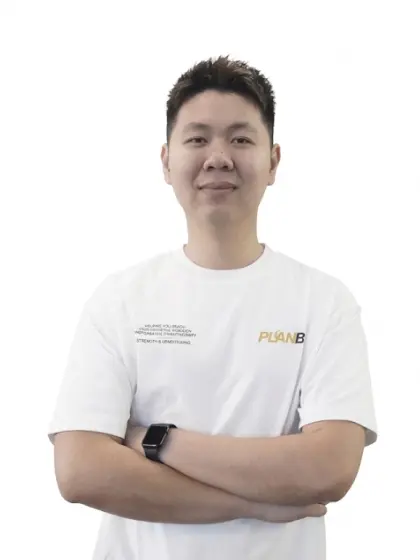
Chang Han Shen

Branch Manager & Senior Physiotherapist

Shee Zhe Pin

Head Coach

Medhavinz Seew Ravindran

Trainer

Our branches

Where to get treated

Receive specialized lower back pain care at any of our accessible Plan B branches:

First trial session

RM 220

one-time session

Pricing &
First Trial

Start your recovery journey with an initial assessment and personalized treatment session.

What's included

View our complete pricing and package options here:

QUESTIONS, Answered.

Still not sure? Our team is happy to answer any questions before you book.

Can neck pain cause headaches?

Yes! Cervicogenic or tension headaches often originate from tight muscles and stiff joints at the top of the neck, radiating pain up to the head.

Sleeping on your back or side with a supportive pillow that maintains your neck’s natural alignment is best. Avoid sleeping on your stomach as it twists the neck for hours.

Massage provides temporary muscle relief, but it does not fix weak core muscles or poor joint mechanics. Physiotherapy combines manual therapy with active exercise for long-term results.

Habitually cracking your neck can hyper-stretch ligaments and cause joint instability. Professional joint mobilization is controlled and far safer.

Wear a comfortable t-shirt or tank top so our physiotherapists can easily evaluate and treat your neck and shoulder area.

Ready to
live pain-free

Relieve neck and shoulder tension today. Click below to chat with our team on WhatsApp for free advice or to book your trial session.