Core strength and mind-body connection, practical considerations and how personalised care at Plan B may support your goals.
Pilates is more than just a fitness trend; it’s a holistic mind-body practice that enhances core strength, flexibility, and posture. Whether you’re recovering from an injury, looking to improve your fitness, or seeking a form of low-impact exercise, Pilates offers numerous benefits for people of all ages and fitness levels.
What is Pilates?
Pilates is a system of exercises that focuses on strengthening the core while improving flexibility, balance, and posture. Developed by Joseph Pilates in the early 20th century, this practice emphasizes controlled movements, breathing techniques, and alignment of the body to enhance overall physical health.
Benefits of Pilates
targets the muscles in your abdomen, back, and hips, collectively known as the core. A strong core supports better posture, reduces back pain, and enhances overall stability.
movements involve stretching and lengthening muscles, which increases flexibility and reduces the risk of injury.
encourages proper alignment and posture, helping you stand taller and move more efficiently.
Being gentle on the joints makes it an ideal form of exercise for individuals with injuries or those seeking a low-impact workout.
Types of Pilates
Performed on a mat using bodyweight exercises. Mat Pilates emphasizes controlled movements and core engagement without the need for equipment. ● Reformer Pilates:
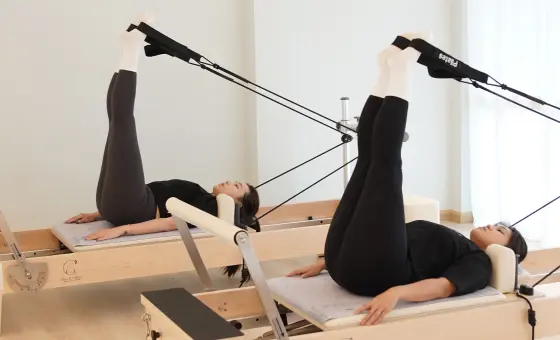
Uses a specialized machine called a Reformer, which adds resistance and aids in more dynamic and diverse exercises.
Tailored specifically for rehabilitation, this form of Pilates is often prescribed by physiotherapists to help with recovery from injuries.
Pilates and Injury Recovery
Pilates is frequently recommended by physiotherapists as part of a rehabilitation program. It aids in restoring strength, improving flexibility, and correcting movement patterns that may have contributed to the injury in the first place. Clinical Pilates is particularly beneficial for those recovering from back pain, postural issues, and surgical procedures.
How to Get Started with Pilates
- Consult a Professional:
Especially if you’re dealing with injuries or are new to Pilates, working with a certified instructor ensures you perform exercises safely and effectively.
Like any form of exercise, consistency is key. Incorporating Pilates into your weekly routine can lead to lasting results in strength and flexibility.
- Personalized Programs:
Many Pilates instructors offer tailored programs that address your specific fitness goals, whether it’s improving core strength, recovering from injury, or increasing flexibility.
Conclusion
Pilates offers a versatile and effective approach to fitness that promotes core strength, flexibility, and a profound mind-body connection. It caters to a wide range of individuals, from athletes striving for optimal performance to those recovering from injuries or simply seeking to enhance their physical health. By integrating Pilates into your exercise routine, you can experience significant improvements in strength, posture, and overall well-being. Embrace the journey with Pilates and discover how it can elevate your well-being and empower you to reach your fitness goals.