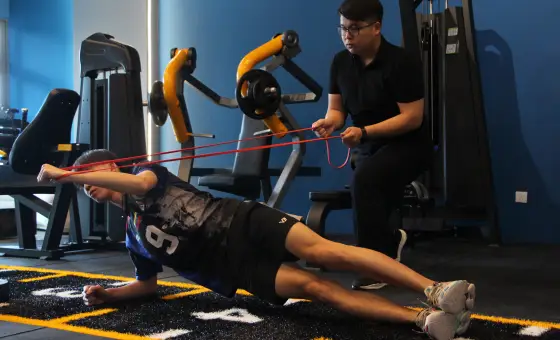
Strength and Conditioning: Building Resilience for Life
Building resilience for life, practical considerations and how personalised care at Plan B may support your goals.

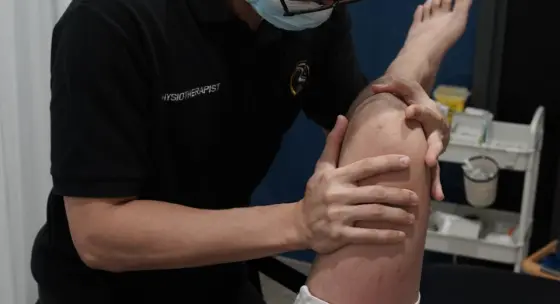
Physiotherapy, commonly known as physical therapy, is a vital area of healthcare dedicated to improving physical function, mobility, and overall health through the evaluation, diagnosis, treatment, and prevention of physical impairments and disabilities. Utilizing hands-on methods, therapeutic exercises, and customized guidance, physiotherapists are essential in rehabilitation, pain relief, and injury prevention, assisting individuals in recovering from injuries, surgeries, or managing chronic conditions.
In this blog will explore the basics of physiotherapy, discussing its definition, various approaches, and advantages, alongside the importance of patient-centred care and its significant influence on recovery and quality of life.
Physiotherapists are highly skilled professionals trained to assess, diagnose, and treat a variety of physical issues. They develop personalized treatment plans that cater to each patient’s unique needs. Here’s how they contribute to the rehabilitation process:
Assessment and Diagnosis: Physiotherapists conduct in-depth evaluations to understand your physical condition. This includes assessing mobility, strength, flexibility, and pain levels to create a treatment plan that addresses your specific issues.
Treatment Implementation: A wide range of therapeutic techniques, including manual therapy, exercise prescriptions, and electrotherapy, are used to improve movement, reduce pain, and promote healing.
Patient Education: Physiotherapists empower patients by educating them on their condition, teaching self-management strategies, and offering tips for preventing future injuries. This knowledge is crucial for maintaining progress beyond treatment sessions.
Collaboration: Physiotherapists often collaborate with other healthcare professionals to ensure a holistic approach to care, especially in complex cases involving multiple health concerns.
Manual Therapy: Hands-on techniques designed to alleviate pain and improve mobility through targeted massage, joint mobilization, and manipulation. These techniques help release muscle tension, improve joint movement, and restore function by addressing musculoskeletal restrictions directly.
Exercise Therapy: A personalized exercise program focused on strengthening specific muscles, enhancing coordination, and increasing flexibility. These exercises are designed to improve overall physical function and address any biomechanical issues that may contribute to pain or movement limitations.
Joint Mobilization & Manipulation: A series of controlled movements is used to enhance the joint range of motion and decrease pain. These techniques are especially beneficial for stiff or restricted joints, helping to restore smooth, pain-free movement by targeting specific areas of the musculoskeletal system.
Dry Needling: A technique involving the insertion of needles into trigger points to stimulate a reflex that relaxes the muscle and alleviates pain. This method promotes blood flow, facilitating healing and improving mobility.
Sports Injury Treatment: Comprehensive treatment plans tailored to prevent, diagnose, and rehabilitate sports injuries. This approach focuses on helping athletes return to their peak performance by addressing the injury cause, managing pain, and restoring function through sport-specific strengthening and conditioning.
Electric Muscle Stimulation (EMS): A therapeutic method that uses electrical currents to stimulate muscles, helping to alleviate pain, promote tissue healing, and improve muscle function. EMS is commonly used to support muscle re-education, improve blood circulation, and reduce muscle spasms.
TECAR Therapy: This technique uses capacitive and resistive electrical transfer to stimulate the body’s natural healing processes, relieve pain, and improve circulation. TECAR therapy is effective in reducing inflammation, enhancing tissue repair, and accelerating recovery, particularly in soft tissues and muscles.
Heat and Cold Therapy: A technique to manage pain, inflammation, and swelling through the application of heat or cold. Heat therapy increases blood flow and relaxes muscles, while cold therapy reduces inflammation and numbs painful areas, making it ideal for treating acute injuries or chronic conditions.
Injury Recovery: Physiotherapy is commonly recommended for individuals recovering from accidents, sports injuries, or post-operative rehabilitation.
Chronic Pain Management: Conditions like arthritis, fibromyalgia, and back pain can benefit from physiotherapy techniques like joint mobilization, soft tissue therapy, and pain management exercises.
Post-Surgical Rehabilitation: After surgery, patients often experience stiffness and weakness. Physiotherapy plays a crucial role in regaining strength and mobility.
Prevention: Physiotherapists also work with patients to prevent future injuries or health complications by promoting healthy movement patterns.
Physiotherapy offers a wide range of advantages that enhance overall health, well-being, and recovery for individuals of all ages. This non-invasive approach prioritizes avoiding surgery and medication when possible, offering a safe and gentle path to healing:
Pain Relief: A primary goal of physiotherapy is to alleviate pain using a range of techniques, including manual therapy, exercise therapy, and electrotherapy. These methods effectively reduce discomfort from injuries, surgeries, and chronic conditions like arthritis, offering patients a non-pharmaceutical alternative to pain management.
Improved Mobility and Flexibility: Physiotherapy helps restore movement and improve joint flexibility, especially for individuals recovering from surgery or experiencing age-related stiffness. By addressing these physical challenges, physiotherapy enables people to regain functional mobility, allowing them to return to their daily activities with ease.
Injury Prevention: Physiotherapists proactively identify and address underlying imbalances, weaknesses, and poor body mechanics that may lead to future injuries. This preventative approach is fundamental to modern physiotherapy practices, helping individuals stay active and resilient over the long term.
Rehabilitation After Injury: Physiotherapy plays a crucial role in accelerating recovery following injuries, helping individuals rebuild strength and confidence. Through personalized care, patients can resume their daily lives more quickly and with enhanced physical stability. Management of Chronic Conditions: Chronic conditions like Parkinson’s disease, stroke, chronic obstructive pulmonary disease (COPD), and scoliosis can be better managed through tailored physiotherapy programs. These plans improve physical function and support an overall healthier lifestyle, helping individuals live more fully despite chronic health challenges.
Enhanced Quality of Life: By reducing pain, improving physical function, and preventing future injuries, physiotherapy empowers individuals to engage more fully in daily life. This not only boosts physical well-being but also contributes to an improved quality of life.
Physiotherapy is an ideal choice for those seeking effective, long-term health solutions without invasive measures. With a non-invasive approach, it aims to minimize the need for surgery and medication, offering a gentle yet impactful path to recovery. Physiotherapy’s holistic care model goes beyond simply addressing symptoms, focusing instead on the root causes of pain and dysfunction for comprehensive, sustainable relief. Each treatment plan is carefully personalized to meet an individual’s unique needs, ensuring targeted and optimal results.
Whether you’re recovering from an injury, managing chronic pain, or working to enhance your physical health, physiotherapy can offer remarkable benefits. By focusing on rehabilitation, prevention, and health promotion, physiotherapy empowers individuals to regain strength and mobility, supporting a more active and fulfilling life.
Frequently asked questions
Still not sure? Our team is happy to answer any questions before you book.
Depending on assessment findings, care may include therapeutic exercise, manual therapy, education or other appropriate techniques.
No. Suitability depends on your health history, preferences and clinical assessment. Discuss potential benefits and risks with your physiotherapist.
No treatment can guarantee a specific outcome. Your physiotherapist can explain realistic goals and review your response to care.
Clinical review required: confirm answers and clinic-specific policies before publication.
Building resilience for life, practical considerations and how personalised care at Plan B may support your goals.
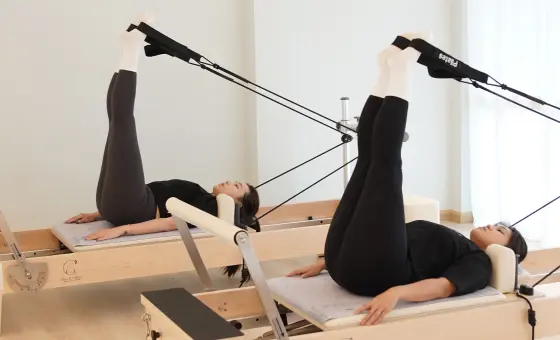
Core strength and mind-body connection, practical considerations and how personalised care at Plan B may support your goals.
Select your Branch