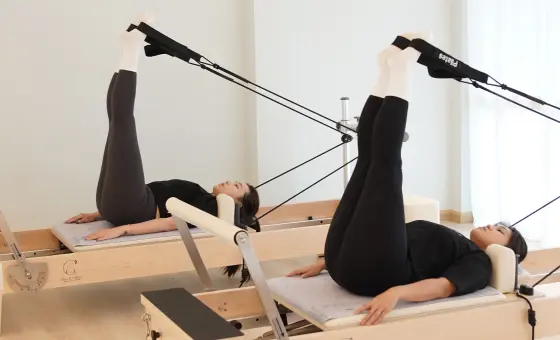
Learn about what is physiotherapy and why does it matter, practical considerations and how personalised care at Plan B may support your goals.
“What is Physiotherapy and Why Does it Matter?”
Physiotherapy is a branch of healthcare dedicated to helping individuals recover from injuries, manage pain, and enhance their overall mobility and physical function. This hands-on approach focuses on restoring movement and function, making it essential for anyone facing physical challenges, whether from an injury, surgery, or chronic condition.
At the heart of physiotherapy lies a personalized approach tailored to each patient’s unique needs. Physiotherapists, as trained healthcare professionals, assess each patient’s health condition, lifestyle, and specific symptoms to design a targeted treatment plan. These plans often incorporate therapeutic exercises, manual therapy, and education on healthy movement habits. The goal is to help patients regain their independence and achieve a better quality of life.
Pain Management
One of the primary benefits of physiotherapy is pain management. Chronic pain, whether due to an injury, surgery, or condition like arthritis, can significantly affect a person’s daily life. Physiotherapists use various techniques—such as manual therapy, electrotherapy, exercise programs, etc —to reduce pain and increase comfort. These therapies not only target pain but also address the root cause, whether it’s a musculoskeletal imbalance or muscle weakness, helping prevent future issues.
Improved Mobility and Function
After an injury or surgery, even simple movements can become challenging. Physiotherapy emphasizes restoring strength, flexibility, and range of motion through specific exercises that target the affected areas. For example, a patient recovering from knee surgery might work on leg strengthening exercises to support joint recovery, which allows them to walk and move with greater ease. Improved mobility makes it easier to perform everyday tasks, from lifting objects to climbing stairs, enhancing overall independence and quality of life.
Prevention and Education
Physiotherapy also has preventive benefits. Many people are unaware of proper body mechanics, like how to lift objects safely or maintain good posture, leading to injuries over time. Physiotherapists educate patients on these mechanics, teaching them how to move correctly to avoid strain on muscles and joints. This knowledge not only helps prevent future injuries but also enables individuals to maintain a healthier, more active lifestyle long-term.
A Holistic Approach
Beyond just exercises, physiotherapy is a holistic approach to wellness. Physiotherapists consider a patient’s entire health status, addressing emotional and physical well-being through their treatment plans. By focusing on the whole person, physiotherapy fosters a supportive environment that encourages long-term health improvements.
In summary, physiotherapy is an invaluable resource for individuals looking to reclaim their physical abilities and enjoy a pain-free life. Its benefits are vast: from pain management and improved mobility to preventative education, physiotherapy empowers patients to take control of their health. If you’re facing physical challenges or simply want to improve your mobility, consider reaching out to a physiotherapy clinic. A healthier, more independent life may be just an appointment away.