What to expect from your first physiotherapy visit, practical considerations and how personalised care at Plan B may support your goals.
Starting physiotherapy can feel overwhelming if you’re unsure what to expect, but understanding the process can make it easier. A typical physiotherapy session begins with an assessment, during which the physiotherapist gathers information to develop a personalized treatment plan. Here’s what you can expect from this collaborative and empowering process.
Initial Assessment
The first session usually involves a thorough assessment. Your physiotherapist will ask about your medical history, current symptoms, lifestyle, and any goals you have for therapy. For example, if you’re recovering from knee surgery, the therapist will want to understand your mobility challenges and pain levels. This initial assessment often includes a physical evaluation, where the therapist checks your strength, flexibility, and range of motion. This information allows them to create a tailored plan specific to your needs, whether you’re an athlete aiming to return to your sport or a patient recovering from surgery.
Creating a Treatment Plan
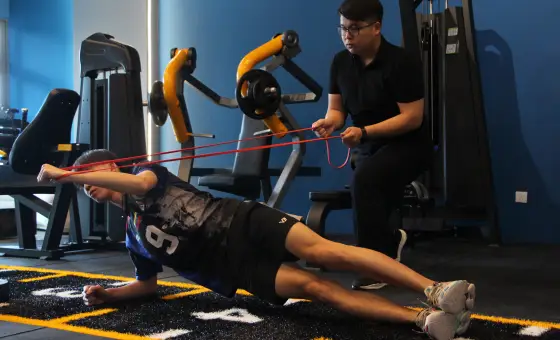
Once the assessment is complete, the physiotherapist will outline a treatment plan designed to help you achieve your goals. Treatments may include therapeutic exercises, manual therapy, and modalities like heat, cold, or electrical stimulation to relieve pain and promote healing. For example, someone with chronic lower back pain might start with core-strengthening exercises and progress to flexibility exercises as they improve. Treatment plans are flexible, evolving as you make progress.
Types of Therapy and Exercises
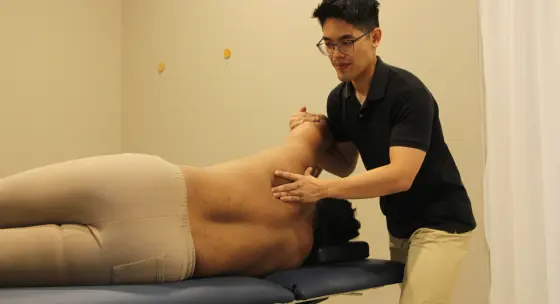
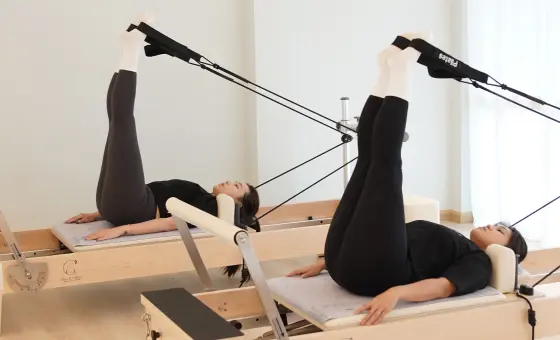
The type of therapy you receive depends on your condition. Manual therapy, which involves hands-on techniques like massage or joint mobilization, can help reduce pain and stiffness. Therapeutic exercises focus on improving strength, flexibility, and endurance, making it easier to perform everyday activities. Many physiotherapists use additional modalities—such as heat therapy, ultrasound, or electrical stimulation—that target specific symptoms, like pain or inflammation, to speed up recovery.
Education and Home Exercises
An essential aspect of physiotherapy is patient education. Your physiotherapist will guide you on how to maintain good posture, proper body mechanics, and lifestyle adjustments to prevent future issues. This could involve exercises to do at home, advice on how to move safely, or suggestions for setting up an ergonomic workspace. Home exercises are typically simple and tailored to your abilities, making them an effective way to reinforce the benefits of in-clinic treatment and promote long-term recovery.
A Focus on Empowerment
Physiotherapy isn’t just about symptom relief; it’s about empowering you to take charge of your health. Physiotherapists equip patients with the knowledge and skills needed to stay active and avoid future injuries. By providing a holistic, personalized approach, they help patients regain confidence and independence, ensuring they feel prepared to continue their progress even after treatment.
Starting physiotherapy can be the first step toward a more comfortable, mobile life. Whether recovering from an injury or managing chronic pain, physiotherapy offers a structured, compassionate path to improvement and well-being.