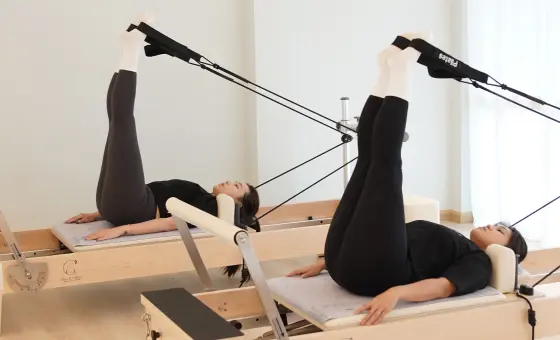
Pilates: Core Strength and Mind-Body Connection
Core strength and mind-body connection, practical considerations and how personalised care at Plan B may support your goals.

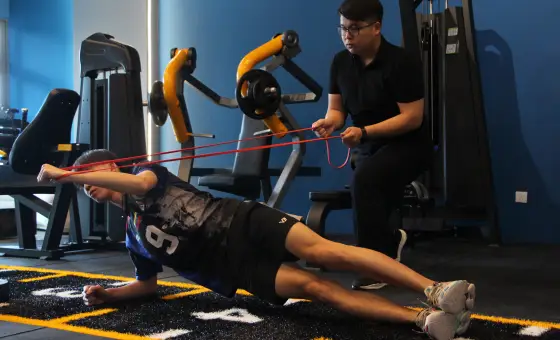
Strength and conditioning isn’t just for athletes—it’s for anyone looking to enhance their physical fitness, resilience, and overall well-being. This type of training offers a multitude of benefits, including improvements in strength, endurance, flexibility, and agility, all while reducing the risk of injury. In an increasingly sedentary world, strength and conditioning serve as a crucial component for individuals of all ages and fitness levels, promoting a healthier and more active lifestyle.
Strength and conditioning is a systematic approach to physical training aimed at improving performance and overall health. It consists of two main elements: strength training and conditioning exercises. Strength training focuses on lifting weights or using body weight to build muscle, increase strength, and enhance power. In contrast, conditioning exercises target cardiovascular fitness, flexibility, and functional movement. Together, these components create a comprehensive fitness program that benefits both athletic performance and everyday activities.
Strength training can take many forms, including traditional weight lifting, bodyweight exercises (like push-ups and squats), and resistance band exercises. The primary goal is to build muscle strength, endurance, and power. Regular strength training not only helps to build muscle but also increases bone density and improves functional capacity, making it a crucial component of any fitness regimen.
Cardiovascular Conditioning
Cardiovascular conditioning includes exercises such as running, cycling, and high-intensity interval training (HIIT). These activities improve cardiovascular health and stamina, contributing to better endurance for both athletic endeavors and everyday activities. Incorporating various forms of cardiovascular training helps maintain a balanced fitness routine.
Mobility and Flexibility
Mobility and flexibility exercises, such as dynamic stretching, yoga, and specific targeted stretches, are essential for improving range of motion and preventing injuries. These exercises prepare the body for more intense physical activities and help maintain functional movement patterns throughout life.
Athletes leverage strength and conditioning to enhance performance and reduce the risk of sports-related injuries. A tailored program can focus on sport-specific skills, improving overall athletic capabilities.
For adults aiming to maintain fitness, improve strength, and prevent injuries, regular strength and conditioning sessions can be highly beneficial. This demographic can enhance their quality of life and physical capabilities through consistent training.
Post-Rehabilitation Clients Individuals recovering from injuries or surgeries can utilize strength and conditioning programs to restore full function and build resilience. A structured approach allows for safe progression back to normal activities while minimizing the risk of re-injury.
Engaging a certified strength and conditioning coach or physiotherapist is an excellent first step. They can design a personalized program tailored to your fitness level, goals, and any existing limitations, ensuring that you get the most out of your training.
Start with lighter weights or lower intensity, gradually increasing as your strength improves. This principle of progressive overload is crucial for continued improvement and helps prevent injuries associated with lifting weights that are too heavy too soon.
Rest is a vital component of any strength and conditioning program. Adequate recovery allows muscles to heal and grow, preventing overtraining and injuries. Incorporating rest days and active recovery sessions into your routine can enhance long-term success.
Strength and conditioning is essential for improving performance, preventing injuries, and enhancing overall physical health. Whether you’re an athlete or just looking to improve your fitness, incorporating a structured training program can build resilience and help you reach your health goals.
Frequently asked questions
Still not sure? Our team is happy to answer any questions before you book.
No. Programmes can be adapted for beginners, active adults and people working towards everyday strength and fitness goals.
Frequency depends on your goals, experience and recovery needs. A qualified professional can help plan a suitable schedule.
You may be able to return progressively once appropriately assessed and cleared for the activities involved.
Clinical review required: confirm answers and clinic-specific policies before publication.
Core strength and mind-body connection, practical considerations and how personalised care at Plan B may support your goals.
A comprehensive overview, practical considerations and how personalised care at Plan B may support your goals.
Select your Branch